
If you are buying a property in Greece, you will soon come across the word Ktimatologio—the Greek Cadastre. Usually, it appears somewhere between finding a property you love and trying to understand the paperwork.
For buyers unfamiliar with the Greek system, this can be confusing. There may be older deeds, references to a former Land Registry, cadastral maps and documents that seem to describe the same property in slightly different ways.
You do not need to become an expert in Greek property law. But understanding how these records fit together will help you ask better questions and make informed decisions.
What does the Cadastre actually record?
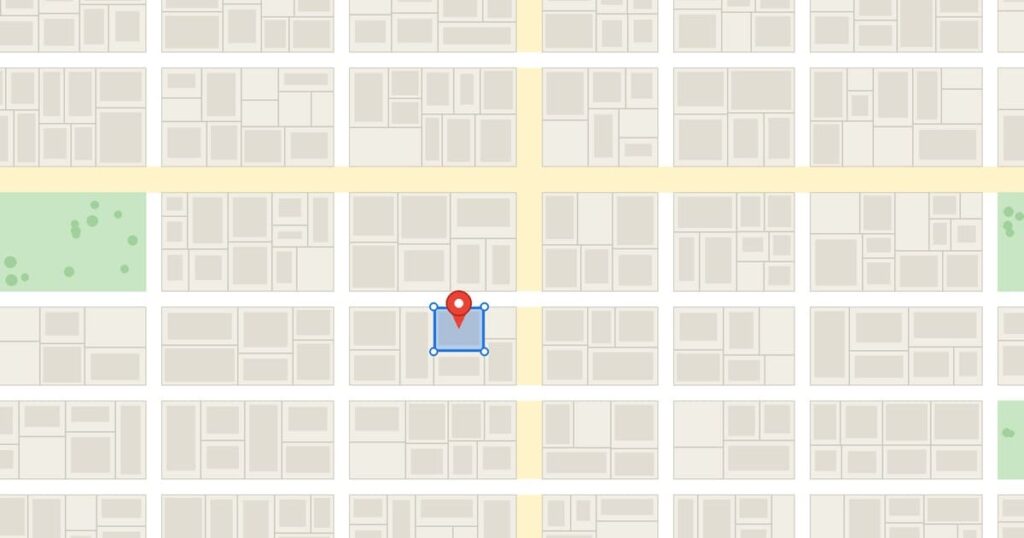
The Greek Cadastre brings together two things: the legal rights over a property and its geographical identity.
It records who holds ownership or other registrable rights and connects that information to a mapped property. Each cadastral property has a reference number, known as a KAEK, used to identify its records.
That number is useful, but it does not answer every question a buyer should ask. You still need to know exactly what the seller owns, whether any burdens or claims affect it, and whether the documents match the property you have been shown.
What came before it?
For many years, property deeds in Greece were recorded at local offices called Ypothikofylakeia. These are often translated as “Mortgage Registries”, although their work covered ownership transfers and other property rights as well as mortgages.
The older system was mainly organised around people’s names and their registered transactions. The Cadastre takes a different approach: it centres the records on the property itself and links them to a map.
But the introduction of the Cadastre did not wipe the slate clean. A property’s earlier history still matters. To investigate a title properly, a lawyer may need to follow that history through older deeds and archived registrations.
Why the process can vary across Greece
The Cadastre is a national system, but it has been introduced in stages across different areas. The history of the records—and any outstanding work relating to them—can therefore vary from one location to another.
For a buyer, the useful question is: what is the position of this particular property?
Which office holds its records? Have its details been recorded correctly? Is a correction pending? Are the documents being supplied current?
That last question deserves attention. An extract showing the initial cadastral entries is a snapshot from the end of the surveying process. Later sales or corrections appear in the updated cadastral sheet. An older extract may therefore tell only part of the story.
What happens when you buy a property?
In a typical purchase, the necessary checks and documents are prepared before the buyer and seller sign the sale deed before a notary. The deed then needs to be submitted for registration.
Signing and registration are separate steps. Make sure the professional handling this stage confirms that registration has been completed and provides the relevant evidence.
Digital services now make it easier to prepare transaction files and submit deeds, but the competent office still examines the application for registration.
Why some properties need a closer look
A property may have passed through several generations of a family. It may have several co-owners, or different people may hold different rights over it. An older deed may describe it in terms that need to be compared with a modern survey.
Sometimes the questions are very practical. Does the storage room shown during the viewing legally belong to the apartment? Does the seller own the whole property? Do the boundaries on the cadastral map agree with the title documents?
These are matters to clarify before committing to a purchase.
A discrepancy does not necessarily mean you should walk away. Equally, “it is just paperwork” is not a sufficient explanation. You need to understand what the issue is, how it can be addressed and whether it affects the proposed transaction.
Some cadastral errors can be corrected through an administrative procedure; others may require court proceedings. The appropriate route depends on the case.
The value of having the right people involved
When buying from abroad, it helps enormously to have professionals who understand both their own responsibilities and how their work fits into the purchase.
Your independent lawyer investigates ownership, title history and legal matters affecting the transaction. An engineer or surveyor, where appropriate, examines the technical position and the relationship between the documents, plans and physical property. The notary prepares the transfer deed and handles the formal requirements.
An experienced estate agent helps keep these stages connected: requesting information from the seller, bringing unresolved questions to the right professional and keeping everyone informed about what needs to happen next.
That coordination matters when you are overseas. You should be able to understand what has been checked, what is still outstanding and how it affects your plans—without having to chase several people for fragments of an answer.
Considering a property in Athens?
Perhaps you have found an apartment you like, but the ownership documents are unclear. Or you have been told that a cadastral issue is “easy to sort out”, without anyone explaining what that involves.
The next step is to get a clear picture before you commit.
As an estate agent specialising in central Athens, I help overseas buyers understand the practical steps of a purchase and coordinate with the lawyers, notaries and engineers involved. I know how much difference it makes to raise the right questions early, while there is still time to assess the answers.
Contact us through mesitis.org (info at mesitis.org) and tell me about the property you are considering—or the kind of property you are looking for. We can discuss where you stand, what needs clarification and how to take the next step.
Related keyphrases: buying property in Greece, Greek property titles, property registration in Greece, Ktimatologio, Athens real estate agent